
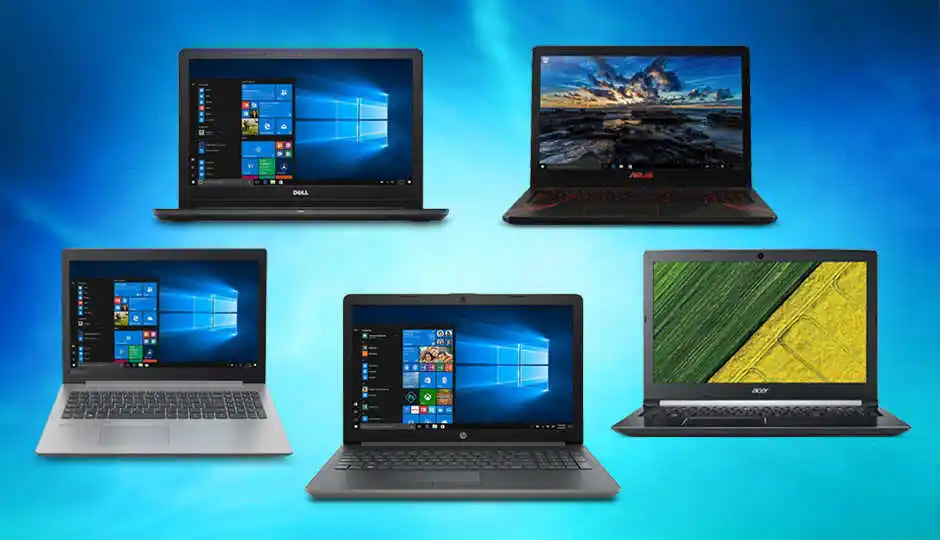
Key Specs: What Each One Means
Processor (CPU)
- This is the “brain” of the laptop — determines speed, multitasking ability, and how smoothly heavier tasks run. system.plus+2Lenovo+2
- In 2025, aim for at least mid-range — e.g. Intel Core i5 / AMD Ryzen 5 (or equivalent) for general tasks. system.plus+2mint+2
- For better longevity, creative workloads (video editing, design, etc.), and heavy multitasking — go for Core i7 / Ryzen 7 or newer “AI-ready” chips. system.plus+2Lenovo+2
Memory (RAM)
- RAM helps manage multiple apps at once, smooth multitasking, and overall responsiveness. HP+2Lenovo+2
- In 2025, 16 GB is considered the sweet spot for most users (students, professionals, everyday use). WIRED+2mint+2
- If you do heavier things — video editing, programming with many tools, gaming — consider 32 GB+. bizzmarkblog.com+2Lenovo+2
Storage (SSD vs HDD)
- Always prefer an SSD (Solid State Drive) over HDD: much faster boot, app loading, and general responsiveness. system.plus+2Lenovo+2
- For typical use (docs, browsing, some media), 256 GB SSD is okay, but 512 GB or 1 TB is better for comfort — gives room for files, photos, videos. system.plus+2mint+2
- If you plan heavy storage use (games, video editing, big media libraries), consider SSD + space for future upgrade (or external storage). bizzmarkblog.com+2Reliance Digital+2
Graphics (GPU)
- If your tasks are simple — browsing, office work, streaming — integrated graphics (built into CPU) is usually fine. SilverPC Blog+2Intel+2
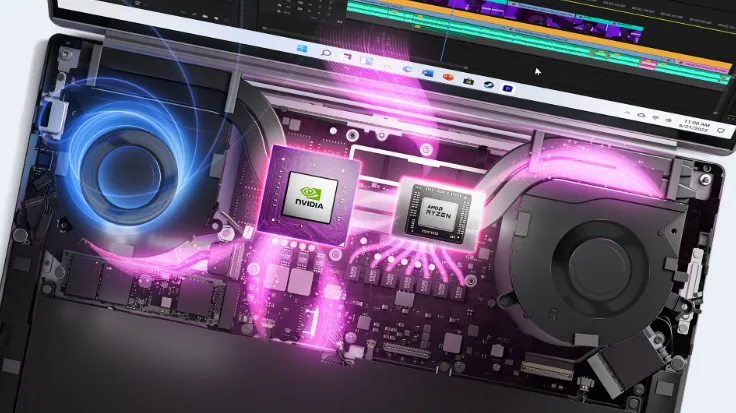
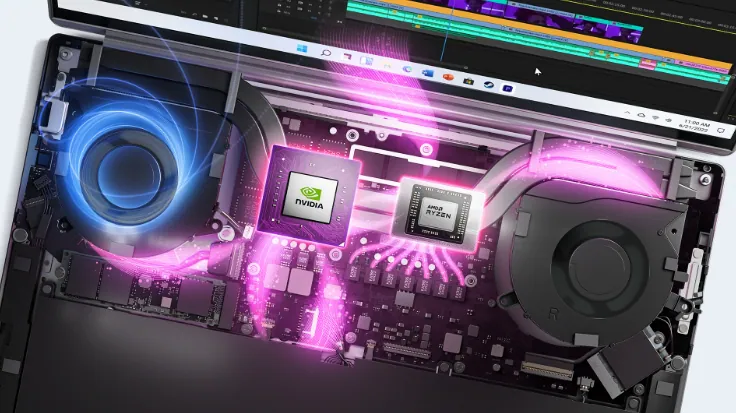
- For gaming, 3D work, video editing, rendering, you want a dedicated GPU (e.g. NVIDIA/AMD) — significantly improves performance for graphics-heavy tasks. Intel+2HP+2
- For such tasks, CPU + GPU + RAM balance is more important than just one spec. HP+1
Display & Screen Quality
- Screen resolution, panel type (LCD / OLED), refresh-rate, size — all affect your daily comfort (text clarity, watching videos, editing, gaming). Lenovo+2shriramcomputers2001.com+2
- For general tasks: a 1080p display is usually enough. Laptop Mag+1
- For creatives, gamers, or those who care about visuals: go for higher-quality panels (e.g. OLED / high refresh rate / good color gamut). gbssystems.com+1
Ports & Connectivity, Battery, Build & Portability
- Many thin laptops now skip older ports. If you use external drives, projectors, HDMI monitors — ensure you get USB-A / USB-C / HDMI / audio jack or be ready for dongles. system.plus+2Croma+2
- If you travel or take the laptop outside often — battery life, weight, and build (durability, portability) become more important. Lenovo+2HP+2
- For heavy workloads, good thermal design (cooling) helps avoid overheating and prolongs performance. gbssystems.com+1
What to Target: Minimum vs Ideal (for 2025)
| Use case | Minimum acceptable specs | Recommended / Ideal specs |
|---|---|---|
| Everyday use (browsing, docs, streaming) | CPU: i5 / Ryzen 5, RAM: 8–16 GB, SSD: 256–512 GB, 1080p display | CPU: i5/i7, RAM: 16 GB, SSD: 512 GB, good battery, USB-C + USB-A |
| Students / Work / Productivity | i5/Ryzen 5, RAM 16 GB, SSD 512 GB, 1080p display, basic webcam | i5/i7, RAM 16–32 GB, SSD 512 GB+, lightweight build, good battery |
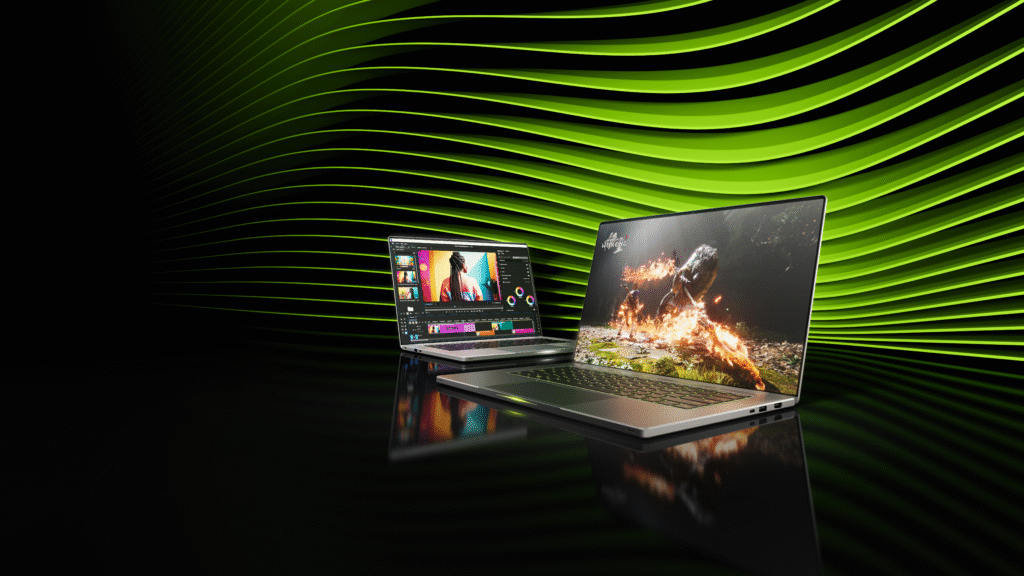
| Creative work (editing, design, development) | i7/Ryzen 7, RAM 16–32 GB, SSD 512 GB+, discrete GPU or strong integrated graphics | i7/Ryzen 7+, RAM 32 GB, SSD 1 TB, dedicated GPU, high-quality display |
| Gaming / 3D / Rendering / Heavy workloads | CPU strong, RAM 16–32 GB, SSD 1 TB (or room to expand), GPU dedicated, decent screen | Strong CPU + high-end GPU, RAM 32 GB+, SSD 1 TB NVMe, high-refresh / high-quality display, good cooling |
How to Choose Based on What You Use It For
- For students / office work — focus on battery life, portability, SSD + 16 GB RAM, balanced CPU (i5 / Ryzen 5+).
- For creators / designers / developers — invest more in CPU/GPU, RAM, storage, and a better display.
- For gamers / heavy-duty workloads (video editing, rendering, CAD, etc.) — prioritize CPU + GPU + RAM + SSD + cooling.
- For long-term value / future-proofing — don’t go too low on RAM or storage; aim for upgradeable machines if possible.
What’s Changed in 2025 vs Older Years (New Trends)
- The baseline for “sufficient RAM” has moved up: 16 GB is now often considered the standard minimum. WIRED+2Lenovo+2
- SSDs are standard now — HDD-only laptops are strongly discouraged (too slow). students.iitmandi.ac.in+1
- For performance-heavy tasks or gaming: integrated graphics are often insufficient — dedicated GPUs (or high-end integrated GPUs) are more important than ever. Intel+2HP+2
- Port selection and connectivity remain important, as thinner laptops tend to compromise on ports — plan for what you need (USB, HDMI, card-reader etc.). Croma+1
#LaptopBuyingGuide #LaptopGuide2025 #TechTips2025 #BestLaptops2025 #LaptopSpecs #LaptopShopping #TechReview #ComputerBuyingGuide #StudentLaptopGuide #Anslation #Carrerbook