
https://topgadgets.site/best-tech-accessories-to-buy-in-2026-reviews-guide/Operating systems are the platform we rely on to run our AutoPi devices, such as Windows, macOS, Android or iOS, and an operating system update is when new features, additional security or other improvement is added through a patch. It gives the OS new life, and allows operating systems to work well with the latest technology.
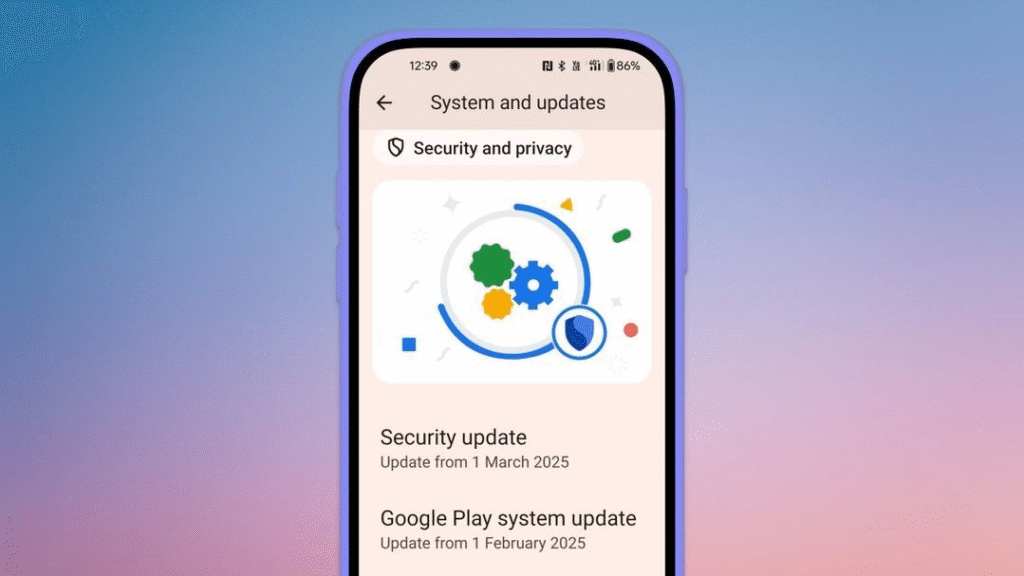
Android updates come frequently, and installing them is simpler than it may seem. They’re designed to be quick and simple, helping your device stay secure and running smoothly without disrupting your work.
When an update to your Android device is available, you’ll receive a notification. Simply tap on it to start downloading. The installation usually happens overnight or when you’re not using your device, making it effortless.
Here’s how to check your device’s Android version.
- First, go to Settings > About phone/tablet and tap Android version.
- To check for updates, go to Settings > System, and Software Update. The steps may vary slightly depending on your device’s manufacturer.
- Connect to Wi-Fi to avoid using mobile data. Pixel devices install updates in the background and require a restart, while other Android-powered devices automatically restart during installation.
- Update not working? It may be due to low storage or an incomplete download. You can fix most issues quickly. For help, head to our guide on how to update your Android device.
Updates to your favorite apps can easily be enabled by following the Google Play instructions here.
What happens if I don’t upgrade my Android version?
If you don’t keep your phone or other Android-powered device updated to latest Android versions, you might face some risks and issues, including:
- Increased security risks: Outdated devices are more vulnerable to security threats. Failing to install security patches leaves your device exposed to known vulnerabilities.
- Slower performance: Outdated software can lead to slower performance, increased lag, and reduced battery life. Plus, older versions of Android may not be optimized for newer apps and services.
- App compatibility issues: App developers often prioritize compatibility with the latest versions of Android, meaning that older devices may no longer be able to run certain apps or access all of their features.
- Reduced functionality: If you don’t update your Android device, your device’s functionality may be limited, making it less useful over time.
- Lack of new features: You’ll miss out on the latest features that come with newer versions of Android.
Updating to the latest version is the best way to protect your device and enjoy the best possible experience. So, check for updates regularly to ensure your Android-powered devices operate at their best potential.
How to Manage Operating System Updates?

Operating systems Managing updates is a critical process for maintaining system security and performance. An effective update management strategy minimizes potential security vulnerabilities and increases system stability. This process involves several stages, such as planning, testing, and implementation. Proper management of updates reduces the risk of data loss and ensures business continuity.
There are many factors to consider during the update management process. For example, when and how updates will be applied, which systems will be updated first, and the potential impacts of updates should be carefully considered. It is also important to have fallback plans in place in case updates fail. This will allow systems to be quickly restored in the event of any problems.
Update
The Importance of Following Monthly Updates
Operating systems Regularly monitoring updates is critical to maintaining the security and performance of systems. Monthly updates usually include patches that close discovered vulnerabilities. Applying these patches on time creates a proactive defense mechanism against cyberattacks and prevents potential data loss. In addition, updates are not limited to security improvements, but can also include performance optimizations that allow systems to operate more efficiently.
Another important aspect of keeping up with monthly updates is meeting compliance requirements. In many industries, regulatory bodies and industry standards require that systems be kept up to date and vulnerabilities be fixed on a regular basis. Complying with such requirements is vital to avoiding legal issues and financial penalties. Outdated systems not only pose a security risk, but can also result in legal liability.
Security Update Frequency for Operating Systems

Operating systems, are the foundation of computer systems and therefore attractive targets for cyberattacks. Security updates are released regularly to close vulnerabilities and protect systems. How often these updates need to be made can vary depending on the type of operating system, intended use, and risk tolerance.
Generally, operating system and application developers try to release fixes quickly when they discover security vulnerabilities. These fixes usually come in the form of monthly or even weekly security updates. In addition to fixing known vulnerabilities, these updates can also help improve system performance and introduce new features.
How to avoid fake update scams?
The best way to avoid fake update scams is to never download or install software updates from unknown or suspicious sources. You should always use the official channels and methods provided by the software developers to check for and apply updates. Here are some tips on how to do that for some of the most popular software:
- Web browsers: Web browsers usually update themselves automatically whenever they detect that a new version is available. You can also manually check for updates by accessing the settings or help menu of your browser and looking for an option to check for updates. If an update is available, it will be downloaded and installed automatically. You can also visit the official download page of your browser to get the latest version of it.
- Operating systems: Operating systems also update themselves automatically in the background. You can manually check for updates by accessing the system settings or preferences of your operating system and looking for an option to check for updates. If an update is available, you can download and install it manually or schedule it for later. You can also visit the official website of your operating system to get the latest version of it.
- Other applications: Other applications may have different ways of updating themselves, depending on their developer and functionality. Some applications may notify you when an update is available by showing a pop-up window or a notification icon on your screen. Some applications may require you to access their settings or help menu and look for an option to check for updates. Some applications may direct you to their official website or download page to get the latest version of them. You should always follow the instructions provided by the application developer to update your software safely and securely.
Importance of Secure Software Updates to Address Security Vulnerabilities
Regularly updating the software on your connected devices is essential to keep them secure from cyber-attacks. To maintain security, it is crucial to install software updates that often contain important security patches that fix vulnerabilities that hackers could exploit.
Without these updates, your devices could be at risk of being hacked. Keeping software up to date is vital for cybersecurity and performance, ensuring your devices are protected against vulnerabilities and run efficiently.
Remember, staying up to date with software updates is a simple yet effective way to enhance the security of your connected devices.
Implementing Secure Software Updates for Device Protection
Regularly updating the software on your devices can help protect them from cyber attacks. These updates apply to both computers and mobile devices. Security experts advise that implementing secure software updates is a crucial step in keeping your devices safe from hackers.
By ensuring that your devices have the latest software patches and security enhancements, you can significantly reduce the likelihood of falling victim to cyber attacks. Here are a few key reasons why implementing secure software updates is essential:
- Improved Security: Software updates often contain fixes for known vulnerabilities, making it harder for cybercriminals to exploit your devices.
- Enhanced Performance: Updates can also include operating system performance enhancements and new features that can improve the overall functionality of your devices.
- Compatibility: Ensuring that your devices are running on the latest software version can help prevent compatibility issues with other programs or devices.
Remember, staying proactive in updating your devices can go a long way in safeguarding your personal information and sensitive data from potential security breaches.
Why is updating your Operating System an important part of your IT regime

Regularly updating your operating system is a crucial practice for maintaining the health and security of your computer. Operating system updates play a vital role in enhancing the overall performance of your device. Developers constantly work to identify and fix vulnerabilities, bugs, and glitches in the system, providing updates that address these issues. By keeping your operating system up to date, you ensure that your computer runs smoothly, with improved stability and optimized functionality.
Security is another reason to stay diligent with operating system updates. Cyber threats are ever evolving, and often by the time developers release security patches to protect your system against the latest malware, viruses, and other cyberattacks those vulnerabilities are already being exploited by attackers. Neglecting updates leaves your computer vulnerable, putting your sensitive data, personal information, and privacy at risk. Timely installation of security updates is a proactive measure that fortifies your system’s defenses, creating a robust barrier against potential cyber threats.
Furthermore, operating system updates often bring new features and improvements, offering users a more streamlined and efficient computing experience. Whether it’s enhanced user interface elements, new functionality, or compatibility improvements with third-party software, these updates contribute to the overall evolution and advancement of your operating system. Embracing the latest updates not only ensures that you are benefiting from the most recent technological advancements but also allows you to take advantage of new tools and features that can enhance your productivity and user experience. In summary, running operating system updates is not just a maintenance task; it is a proactive strategy to ensure the performance, security, and functionality of your computer.
The Importance of Following Monthly Updates

Operating systems Regularly monitoring updates is critical to maintaining the security and performance of systems. Monthly updates usually include patches that close discovered vulnerabilities. Applying these patches on time creates a proactive defense mechanism against cyberattacks and prevents potential data loss. In addition, updates are not limited to security improvements, but can also include performance optimizations that allow systems to operate more efficiently.
Another important aspect of keeping up with monthly updates is meeting compliance requirements. In many industries, regulatory bodies and industry standards require that systems be kept up to date and vulnerabilities be fixed on a regular basis. Complying with such requirements is vital to avoiding legal issues and financial penalties. Outdated systems not only pose a security risk, but can also result in legal liability.
Why You Should Always Update Your OS
Any digital device needs a stable, secure operating system to function at its best, but for anything that networks to other devices, such as complex systems in electric vehicles (EVs) and telematics networks, it is a stable, secure system that allows them to function at all.
Keeping the operating system updated ensures that each device has the latest security protections, most efficient operation and access to any newly developed features. Without an update, the device may be vulnerable, inefficient and feature incomplete.
Here are the key advantages of making sure your devices are running the latest operating system update:
- Security Enhancements – Updates usually include at least one security improvement, as the OS developers constantly monitor potential cyber threats, malware and other security issues. This is crucial for devices like AutoPi, that are handling sensitive data all the time.
- Performance Improvements – Operating system optimizations can help devices perform significantly better, and are constantly being worked on and released as operating system updates.
- Added Features – An operating system update can include new features for the device, or add compatibility with other devices or systems, enhancing the capabilities of your gadget.
- Customization – For business applications, having the latest OS update means you can take advantage of the latest features and performance improvements, which can in turn be customized to specific needs.