
Interactive comparison charts are great for eCommerce stores or review platforms that cover a lot of products. So, if you’re an affiliate or an online business that deals with a variety of products (say, from drop-shipping, perhaps), you can use this product comparison idea to keep your audience on your site for longer. This format is excellent for users deep in the consideration stage, actively trying to evaluate options.
Understanding the Buyer’s Journey: Why Product Comparisons Matter

When I think about why we even bother with product comparison ideas, it always comes back to the person on the other side of the screen.
They’re on a journey, often a confusing one, trying to figure out if what you offer is the right fit for them. Your job, and mine, is to make that journey as smooth and clear as possible.
Think about your own shopping habits. When you’re trying to decide between a few options, what do you do? You probably open a bunch of tabs, skim, and look for something that quickly tells you the differences that matter. Your potential customers do the exact same thing. They’re busy people, and they’re likely checking out your competitors too.
Interactive Comparison Chart
If you’ve got a lot of products or a highly engaged audience, an interactive comparison chart can make a big difference. It puts the power in your visitor’s hands, letting them choose exactly what they want to compare, which often leads to a much deeper level of engagement and understanding.
Interactive comparison charts are great for eCommerce stores or review platforms that cover a lot of products. So, if you’re an affiliate or an online business that deals with a variety of products (say, from drop-shipping, perhaps), you can use this product comparison idea to keep your audience on your site for longer. This format is excellent for users deep in the consideration stage, actively trying to evaluate options.
The example below is from a skincare review platform, You’re given a choice to select two products from a dropdown list and compare them.
Pros and Cons List
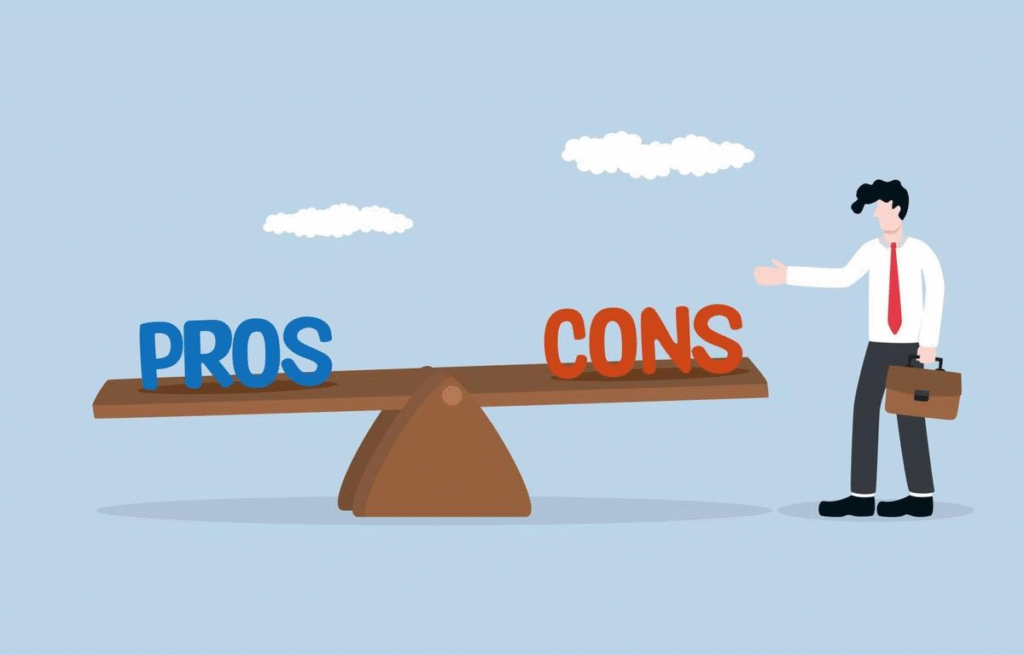
I’ve noticed that when people are making a decision, they don’t just want to hear the good stuff. They want a balanced view. That’s where a solid pros and cons list comes in, offering a transparent and trustworthy way to help your audience weigh their options.
If you create review content or promote affiliate products, a well-structured pros and cons list can be your secret weapon. It’s perfect when you want to show your audience why you genuinely recommend one product over another, especially if you’ve tested multiple options in your niche. This format is particularly useful for those in the later stages of the buyer’s journey, helping them weigh the final factors before a purchase decision.
Video Product Comparisons
I’ve noticed that people often want to see a product in action before they commit. Video comparisons are perfect for this, bringing your offerings to life and giving your audience a dynamic, engaging way to understand the differences.
Video comparisons tap into what people love most about YouTube, seeing products in action before they buy. These usually follow a versus format (“Product A vs Product B”) which hooks viewers looking for honest insights about products they’re considering. Videos are fantastic for the awareness and consideration stages of the buyer’s journey, helping people visualize and evaluate options.
Search any two products with “vs” between them and you’ll see how big this format really is. Here’s the results page for “notion vs evernote”:
How Do Product Comparisons Work?

Product comparisons work by directly measuring two or more similar products, often of the same type or in the same category. For example, you might compare your latest version of a product with a previous version to highlight improvements made.
However, product comparisons are most common for gadgets, devices, and machines, such as laptops, smartphones, vehicles, and so on. They include the major product features so potential customers know what they’ll get before buying a new product. Many also include similar items to specific products or types of products, offering even more usability.
Before drawing up a product comparison page for your website, you need to know the difference between quantitative and qualitative product comparison charts.
Create Compelling Product Comparisons To Win Sales
Ultimately, product comparisons are great ways to demonstrate the superiority of your products. They’re also good tools for your site visitors to identify which of your many products is best for their needs or requirements.
That said, you’ll need a stellar UI design team to optimize your conversions in this way. Or you can contact Prismfly. Our knowledgeable professionals can design a data-driven, pixel-perfect product comparison page for your site, plus offer a variety of other (CRO) services. to get started.
Written By
Start With the Features That Matter

Before comparing products, identify the features that are most important for your needs.
Some features may be essential, while others are simply nice to have. Separating the two helps you avoid paying more for things you may never use.
Ask yourself:
- Which features do I actually need?
- Which features would simply be nice to have?
- Are there features I don’t need at all?
- Will I use the product frequently or occasionally?
Once you know what matters, comparing different products becomes much easier.
Compare Quality and Materials
Two products can look similar while being very different in quality.
Pay attention to the materials used, construction, finish, and overall design. When available, look for information from the manufacturer about how the product is made and what materials are used.
Quality can have a major impact on how a product performs and how long it remains useful.
Make Your Decision With Confidence

Comparing products doesn’t have to be complicated.
Start by identifying what you need, then compare the features, quality, price, reviews, and overall value of each option.
The right choice is the one that fits your needs best — not necessarily the one that is the most expensive, most popular, or highest rated.
A thoughtful comparison can help you buy with greater confidence and avoid unnecessary spending
Choose what fits you best.
At ONDAIVO, we believe better buying decisions start with better information. That’s why we research, compare, and evaluate products to help you find options that are worth your time and money.
Start with the problem, not the product
One of the most common buying mistakes is beginning with a specific product before identifying the problem you want to solve.
For example, someone might decide they need a new laptop and immediately start comparing popular models.
A better starting point is to ask:
- What will I use the laptop for?
- How often will I use it?
- Which tasks require the most performance?
- Do I need portability?
- How much storage do I actually need?
- What features are essential?
- What limitations would make the product frustrating to use?
These questions establish the requirements before marketing claims and brand popularity influence the decision.
The same principle works for almost anything.
If you need a vacuum cleaner for a small apartment, your priorities may be different from those of someone cleaning a large house with several pets. If you need headphones for commuting, noise isolation and comfort may matter more than features designed primarily for professional audio work.