
Buying a new smartphone in 2026 is more difficult than ever. Every month, new phones launch with better cameras, faster processors, bigger batteries, and AI features. For most buyers, choosing between two smartphones becomes confusing because specifications alone don’t tell the complete story.
What is the best phone for most people?
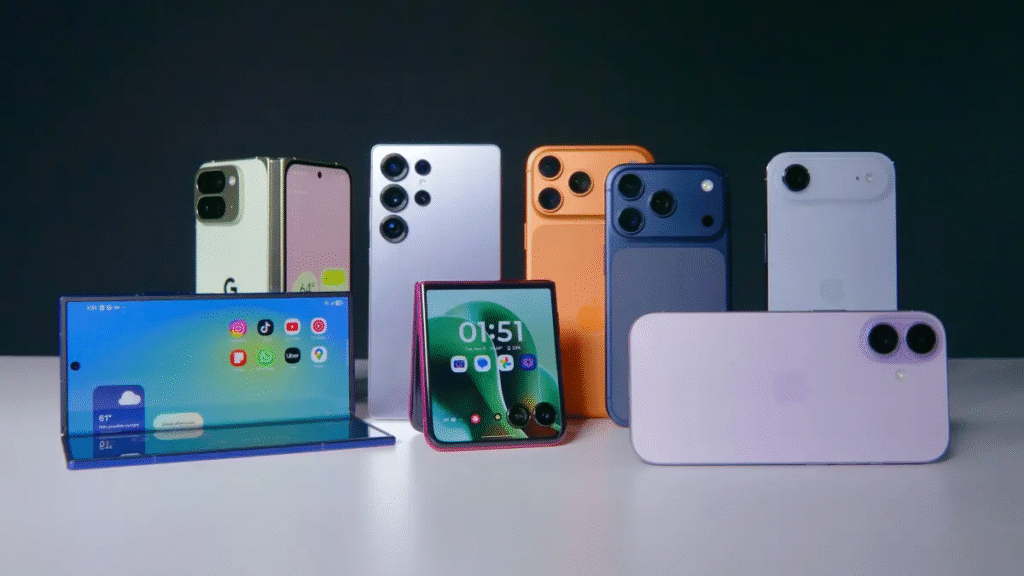
The best phone for most people is the iPhone 17. It shares many features with Apple’s pricier 17 Pro models, but at a lower $829 starting price (or $799 if you activate through a carrier). It supports the newest camera capabilities such as Dual Capture and Center Stage selfies, and has a 1-120Hz variable refresh rate for smoother scrolling and support for its always-on display.
While the iPhone 17 shares a striking resemblance to last year’s iPhone 16, some key updates help it stand out. Apart from the upgraded refresh rate, the iPhone 17 also delivers a peak brightness of 3,000 nits, along with an anti-reflective display that makes it easier to see the screen outdoors. A Ceramic Shield 2 display offers three times better scratch resistance, according to Apple, so if you’re susceptible to etching into your screen, it has a little more protection now. The iPhone 17 starts with a higher 256GB storage option, as opposed to the 128GB starting point on the iPhone 16, meaning you get more bang for your buck.
About Comparing Mobile Phones
Comparing mobile phones is the process of evaluating two or more devices across objective specifications and subjective usage outcomes—not to find a ‘winner,’ but to identify which device sustains your habits without friction. It’s not a benchmarking exercise for tech enthusiasts alone. It’s what happens when someone scrolls through PhoneArena’s comparison tool 1, watches a Tom’s Guide head-to-head video 2, or checks NanoReview’s battery-life charts before upgrading 3. Typical users doing this include professionals switching ecosystems, parents buying first smartphones for teens, travelers needing reliable global bands, or creatives who rely on consistent color science and export workflows.
Why Comparing Mobile Phones Is Gaining Popularity
Lately, the rise in multi-device households, longer upgrade cycles (now averaging 34 months in the U.S.), and sharper divergence in software support have made informed comparison essential—not optional. People aren’t just asking “Which phone is faster?” They’re asking “Which phone will still receive security patches in 2029?” or “Which one handles low-light group shots without manual mode?” This shift reflects two concrete changes: (1) Android vendors now offer 7 years of OS updates (Pixel) alongside Samsung’s 5-year promise, making long-term ownership calculable; and (2) AI features like real-time translation, generative photo editing, and voice note summarization are no longer novelty add-ons—they’re embedded into core camera and messaging apps. If you’re a typical user, you don’t need to overthink this:
How to Choose the Right Mobile Phone
Follow this actionable checklist—designed to prevent common missteps:
- Define your non-negotiable: Is it all-day battery? Seamless Mac pairing? Reliable 10x zoom? Pick one—and eliminate any phone scoring below average in that area per WIRED or Tom’s Guide testing 2.
- Test the unlock & notification flow: Visit a carrier store or Apple/Samsung retail location. Try unlocking with your glove on, checking messages mid-video call, or dragging a photo into Notes. Latency here predicts daily experience.
- Verify carrier compatibility: Especially for mmWave 5G, VoLTE, and emergency SOS via satellite. Don’t assume ‘unlocked’ means full band support—check your carrier’s certified device list.
- Avoid these traps:
- Chasing ‘highest refresh rate’ without checking whether the OS maintains it during gaming or scrolling.
- Assuming ‘more RAM’ improves speed—most Android flagships use identical 12GB LPDDR5X; real gains come from memory management, not capacity.
- Ignoring repairability scores: iFixit rates iPhone 17 Pro Max at 6/10, S26 Ultra at 4/10, Pixel 10 at 7/10. If you drop phones, this affects long-term cost.
How to Choose the Best Phone for Your Needs
Use this simple decision process:
- Set a maximum total price, not an EMI amount.
- Choose your top two priorities: camera, gaming, battery, display, compact size or software support.
- Compare only phones that meet those priorities.
- Check official specifications and update commitments.
- Read long-term reviews for heating, battery drain and camera consistency.
- Verify the seller, warranty and return policy.
- Compare the final price after bank offers and exchange value.
Why Choosing the Best Mobile Phones in India 2026 Is Harder
India’s smartphone market changed significantly in 2026. IDC reported that shipments declined 4.1% year over year to 31 million units in Q1 2026, while the average selling price reached a record US$302, up 10.4%. Market value still increased because buyers purchased fewer but more expensive phones. The offline channel also expanded to 62% of shipments, while online share fell to 38%.
Why it is one of the best mobile phones in India 2026 for cameras
The 200MP telephoto camera gives the X300 Pro a major advantage for portraits, stage photography and distant subjects. vivo’s ZEISS partnership and dedicated portrait modes also make it attractive for creators who prioritise people photography over benchmark scores.
The main trade-offs are its 226g weight and a software experience that may feel busier than Google’s or Nothing’s interface.
Why Best Upcoming Phones In 2026 Feel Revolutionary:
- AI capabilities: Improved real-time translation and upgraded photo editing.
- Battery & Display: Even longer battery life and OLED displays topping 2,000 nits or above
- Charging & Software: 100W+ charging speeds and 7+ years of software support.
- Chipset & Camera: New chipsets are here, like Snapdragon 8 Gen 4, Dimensity 9500, and Tensor G5. They come with 200MP sensors.
Top flagship phones January 2026 – Premium Powerhouses
These phones offer the best feel in your hands. They have top cameras, fast speeds, and premium designs.
- Apple iPhone 17 Pro Max: Still a top choice. 48MP triple cam / 8K video, text/ and strong battery. One of the leading candidates for Samsung Galaxy S25 Ultra: The S Pen has 100x zoom. It features an anti-reflective display and a titanium build. AI tools are included for creators.
- Google Pixel 10 Pro / Pro XL: Pure Android. Tensor G5 AI. Magic Editor. Real-time call screening. 7 years of updates.
- OnePlus 15: The ultimate phone. Fast performance. Huge battery. Smooth 120Hz+ screen. Flagship feel. Quick charging.
- Oppo Find X9 Pro: Camera king: stunning low light, zoom, colors, 34+ hrs battery, premium feel. A gem for photo lovers.
- Vivo X300 Pro: Tops many benchmarks. Massive battery, ultra-fast charging, stellar main & portrait cameras.
Best Budget Phones Under ₹15,000
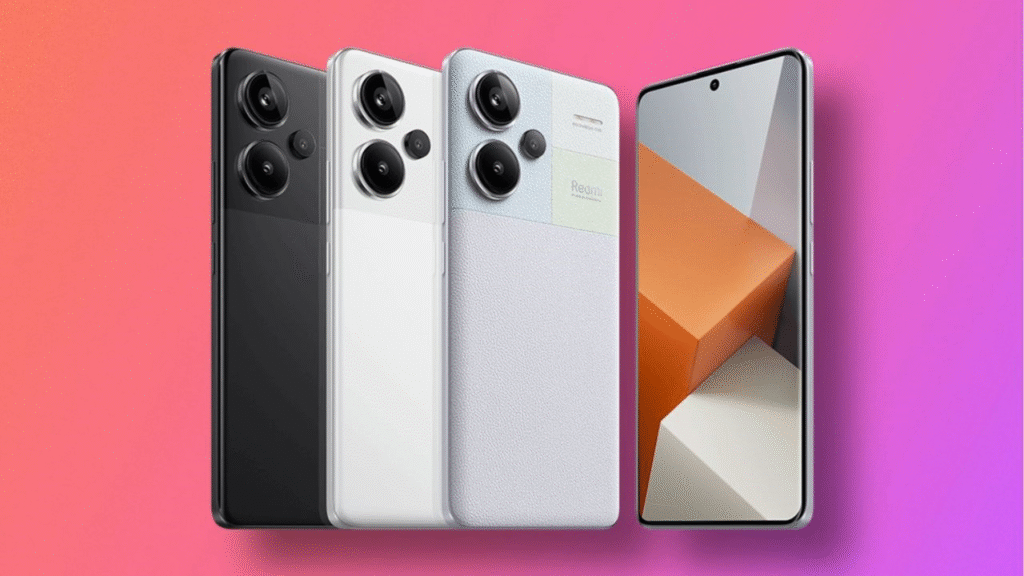
1. Redmi 13 5G
A good choice is 5G support at a low price, offering a smooth display, a decent camera, and strong battery life.
2. Samsung Galaxy F15
Famous for its AMOLED screen and excellent performance. Good alternative if you like Samsung’s tidy, straight-up UIs and its slow UI update-policy.
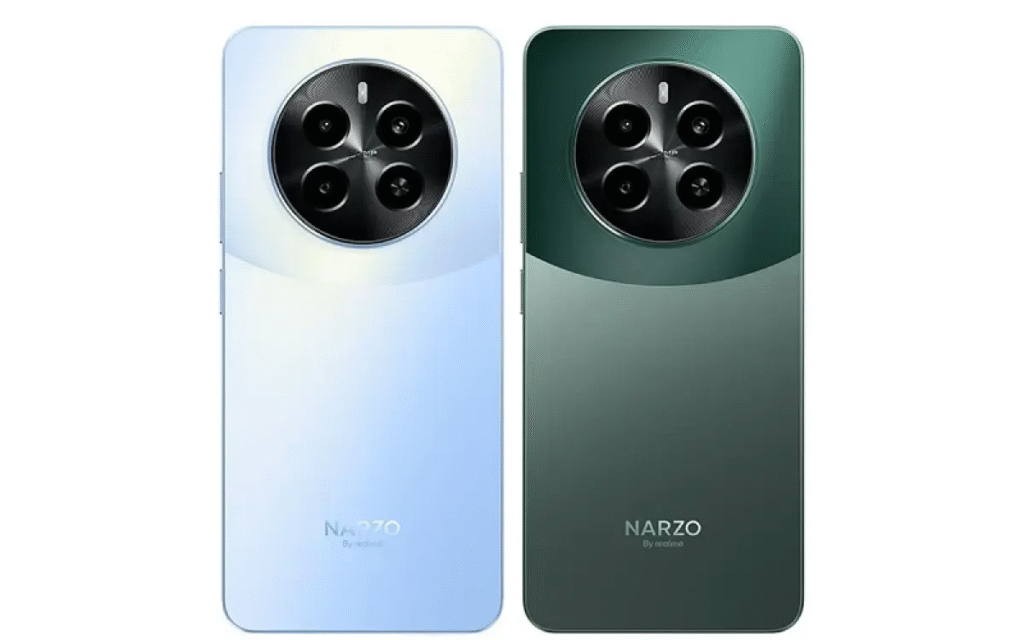
3. Realme Narzo 70
Offers fast charging and a stylish design. Best for users who want a modern look with balanced performance.
The Best Phones to Buy January 2026 depend on priorities:
- Photography + video → iPhone 17 Pro Max or Oppo Find X9 Pro
- AI + clean software > Pixel 10 Pro
- Speed + battery → OnePlus 15 or Vivo X300
- Less than $600 → Price is no object Pixel
Goods and services become 10-20% cheaper on Amazon, Flipkart in January. See what you’re able to find at local stores from the Chinese brands.
Mid-range phones catch up to Tell us your budget, must-have feature or favorite brand and I will help you find the best one.
Features & Specifications Comparison: Find the Best in 2026
In there are bursts of innovation in the smartphone market. Flagship phones pack in AI features, periscope zoom, and large batteries. They also offer super-smooth displays. Midrange phones take excellent photos and run well. They cost half the price of flagships. If you’re looking for the best phones in January 2026, this list has the top picks.
We dive into real-world testing insights from reviews, user feedback, and benchmark data. These are the. They are great for photography, battery life, and value.