
Cloud computing is now the backbone of modern business operations for many organizations. As we move through the beginning of 2026, staying ahead of the curve requires understanding the key trends shaping the future of cloud computing.
The borderless paradox of tech sovereignty
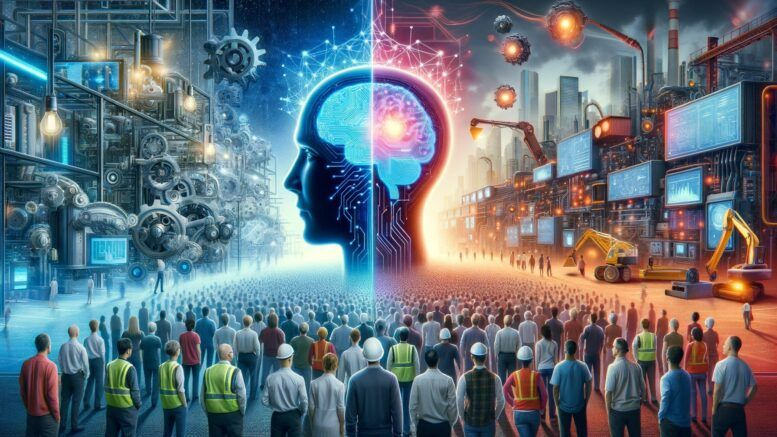
Tech sovereignty returns to at the top of the agenda, but the race is now for resilient interdependence—balancing open collaboration with strategic self-reliance. Success will depend on designing systems that remain globally connected yet controllable, embedding sovereignty principles into architecture rather than isolationist strategies.
AI is eating software
The paradigm moves from “writing code” to “expressing intent.” Developers articulate desired outcomes, and AI autonomously delivers, integrating and maintaining systems behind the scenes. As software becomes self-assembling and self-healing, the competitive edge will hinge on mastering orchestration and governance rather than manual coding.
What is Cloud Computing?
Cloud computing refers to the on-demand delivery of IT resources—like servers, databases, networking, and software—via the internet, eliminating the need for traditional on-site infrastructure. Leading cloud platforms such as Amazon Web Services (AWS), Microsoft Azure, and Google Cloud Platform (GCP) have redefined how individuals and organisations consume technology.
Each provider offers scalable, secure, and high-availability cloud-based services, allowing users to only pay for what they use. Businesses can rapidly deploy applications, reduce upfront capital expenses, and innovate at scale. Developers benefit from a powerful toolbox for building and testing solutions without managing hardware, while end-users enjoy seamless performance and continual updates.
The Complete Shift of AI Workloads to the Cloud

Cloud computing trends for 2026 predict that you’d hardly find any organization running their AI workloads—such as, deploying chatbots, running recommendation engines, performing image recognition, executing natural language processing (NLP) tasks, or predictive analytics—on their own infrastructure.
For most workloads, the GCP, and Azure would serve perfectly well—at a fraction of the cost of setting up that infrastructure independently. This is possible because of the Instead of buying costly hardware upfront, you simply pay only for the resources you use, when you use them.
- Cloud-Native Application Development
Cloud-native development is reshaping how applications are designed and deployed. These applications are built specifically for cloud environments, ensuring scalability and resilience.
Key technologies include:
- Containers
- Microservices
- Kubernetes
- Serverless computing
This approach enables faster deployment cycles, improved system reliability, and more efficient resource utilization.
AI-Native Cloud is Transforming Businesses
AI is now deeply integrated into cloud ecosystems. Leading providers like Amazon Web Services, Microsoft Azure, and Google Cloud are offering AI-powered tools as core services.
This AI cloud evolution allows businesses to:
- Automate workflows
- Gain predictive insights
- Enhance decision-making
This is one of the most impactful cloud computing trends in 2026.
Green Cloud & Sustainability
Sustainability is now influencing cloud decisions. Cloud providers are investing in eco-friendly infrastructure.
Key initiatives:
- Carbon-neutral data centres
- Energy-efficient computing
- Sustainable cloud operations
This is one of the fastest-growing cloud computing trends. Industry-Specific Cloud Solutions
Cloud providers are offering tailored solutions for industries like healthcare, fintech, and retail.
Examples:
- Healthcare data platforms
- Financial compliance clouds
- Retail personalisation engines
These vertical solutions are accelerating digital transformation across sectors.
The rise of intelligent ops
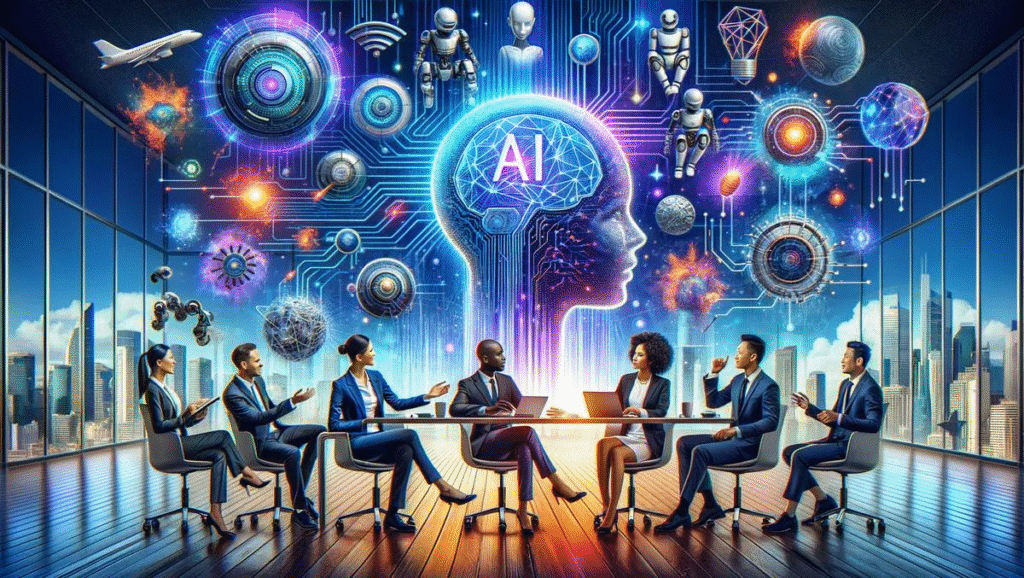
Monolithic enterprise backbones evolve into living ecosystems of intelligent, modular, and continuously learning applications, blending human oversight with autonomous AI agents and putting the process back at the core. This shift turns operations into adaptive engines of value creation, where resilience and agility become structural rather than aspirational. Intelligent operations position enterprises not just to run better, but to reinvent themselves continuously.
Cybersecurity Risks
Cloud environments remain vulnerable to evolving cyber threats.
Skill Gaps
Advanced cloud systems require trained professionals with specialized expertise.
Vendor Lock-In
Over-dependence on a single provider can limit flexibility and increase long-term costs.
Future of Cloud Computing
Cloud computing will continue to evolve as the backbone of emerging technologies such as Artificial Intelligence, Machine Learning, Quantum Computing, Internet of Things (IoT), and Digital Twins.
Future cloud environments will become more autonomous, intelligent, and secure. AI-driven automation will simplify infrastructure management, while real-time analytics will enhance decision-making. The convergence of cloud and edge computing will further support next-generation applications.
- Artificial Intelligence (AI) and Machine Learning (ML): Driving Innovation
As businesses seek to automate, analyze data, and improve decisions, AI and ML are key to cloud strategies. In 2026, cloud providers will offer more powerful AI and ML tools that businesses can leverage to gain a competitive advantage.
- AI-Powered Automation: Cloud platforms are offering AI services that automate tasks. These include infrastructure management and cost optimization.
- ML in Cloud Analytics: Cloud analytics uses machine learning to analyze large datasets. It helps businesses find patterns and make better decisions.
- Enhanced Cloud Security and Zero Trust Architecture
With increasing cyber threats, cloud security remains a top priority.
Organizations are adopting the Zero Trust model, which follows the principle: “never trust, always verify.”
Key security practices include:
- AI-driven threat detection
- Continuous authentication
- Advanced encryption
- Identity and access management
- Automated security monitoring
These measures strengthen protection and ensure regulatory compliance.
FAQ’s
1. What are the biggest cloud computing trends in 2026?
Key trends include AI-powered cloud services, hybrid and multi-cloud adoption, edge computing, serverless technology, cloud security, and sustainable cloud infrastructure.
2. How is AI changing cloud computing in 2026?
AI is helping businesses automate cloud operations, analyze data faster, improve security, and optimize infrastructure costs.
3. What is hybrid cloud computing?
Hybrid cloud combines private infrastructure with public cloud services, allowing businesses to balance control, flexibility, and scalability.
4. Why is edge computing becoming important in 2026?
Edge computing processes data closer to where it is generated, helping reduce latency and support real-time applications.
5. Is multi-cloud adoption growing in 2026?
Yes, many organizations are using multiple cloud providers to improve flexibility, resilience, and avoid relying on a single provider.