
We have crossed a subtle threshold in our relationship with digital tools. Technology in 2026 is no longer just a set of rigid instruments sitting on a screen waiting for explicit, line-by-line commands. Instead, software has evolved into a quiet, intelligent atmosphere—much like an expansive forest canopy that shelters, adapts, and responds to the shifting rhythms of our day.
From artificial intelligence and fluid workspace platforms to creative suits, digital security vaults, and personal health companions, software is changing how we learn, work, communicate, and rest. What makes 2026 feel genuinely different is not a sudden influx of flashy features, but a grounded shift toward contextual awareness and intuitive ease. Modern software has learned to anticipate human needs, streamline chaotic workflows, and clear away digital clutter, leaving us with more time to focus on what actually matters: our human relationships, creative endeavors, and personal wellbeing.
The best software today doesn’t demand your constant attention or boast about its underlying code. Instead, it acts like a dependable companion—solving real-world problems smoothly, maintaining robust privacy, and quietly blending into the background of a well-balanced life.
Why Our Software Landscape Has Changed

Software is no longer confined to desk-bound office computers. It flows through our pockets, rests on our wrists, and manages the climate of our homes. We use applications to nurture relationships across oceans, balance family budgets, cultivate new artistic hobbies, record daily reflections, and collaborate with colleagues across time zones.
Because digital tools now touch almost every corner of our lives, the demand for simplicity and human alignment has reached an all-time high. People are weary of endless notifications, confusing subscription models, and bloated software that takes hours to master.
                       +---------------------------+
                       |  THE MODERN DIGITAL ECOSYSTEM |
                       +-------------+-------------+
                                     |
         +-----------------+---------+---------+-----------------+
         |                 |                   |                 |
  [ Deep Focus ]     [ Creative Flow ]    [ Secure Identity ]  [ Restful Wellness ]
  Contextual AI,     Intuitive canvas,    Vaulted encryption,  Screen-time limits,
  quiet notifications task automation     privacy-first code   habit tracking
The defining characteristic of successful 2026 applications is their capacity to handle the mundane, repetitive heavy lifting behind the scenes. Whether that means summarizing an hour-long meeting, organizing a scatter of chaotic notes into a clear project board, or flagging an insecure password, great software gives us back our most precious resource: time.
Artificial Intelligence: From Gimmick to Daily Companion
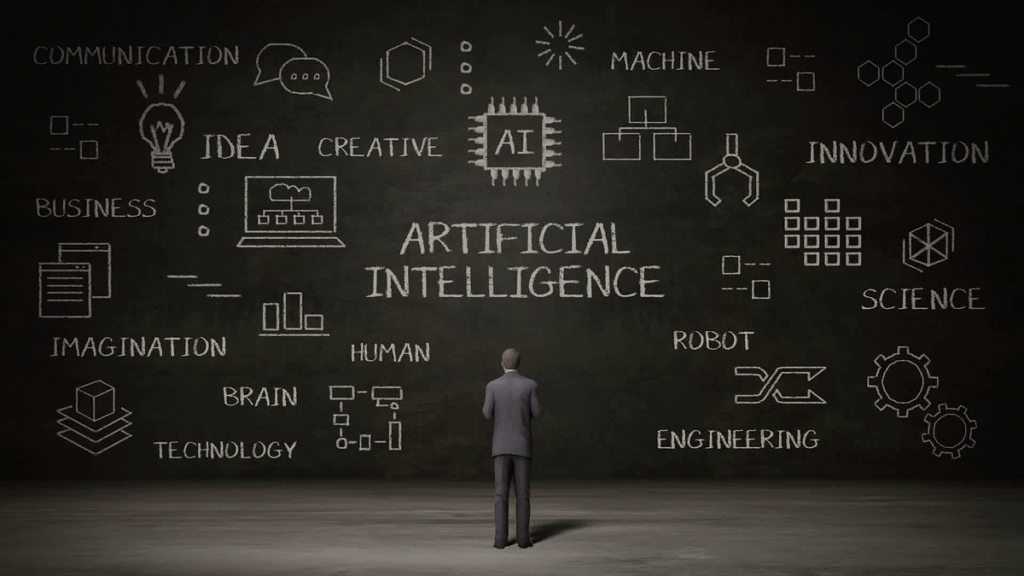
Artificial intelligence has grown up. It has moved past the phase of parlor tricks and novelty responses to become a reliable, deeply integrated layer within the software we use every day.
Key Perspective: The most effective AI doesn’t feel like a futuristic robot sitting in your app. It feels like a thoughtful assistant standing quietly at your elbow, handing you the exact tool or summary you need just as you reach for it.
       [ Chaotic Information Input ]              [ Contextual AI Filter ]
  (100 Email Threads + 5 PDF Reports)  +  (Smart Summarization Engine)  =  3 Clear Action Items
Instead of requiring complex prompt engineering, AI in 2026 understands plain language and human context. It helps us draft tricky emails, translate nuanced languages without losing cultural tone, spot trends in raw financial numbers, and organize daily schedules around our natural energy peaks.
However, a healthy human skepticism remains vital. AI can misinterpret context, pull from outdated sources, or hallucinate facts. The modern consensus treats AI output as a rough draft rather than an absolute truth—a creative spark that always requires human discernment and final polish.
Smart Productivity: Clearing the Digital Undergrowth

Productivity software used to mean word processors and spreadsheets that rewarded raw hours spent at a keyboard. Today, smart productivity platforms focus on cognitive ergonomics—reducing mental friction so you can enter a state of deep, undisturbed focus.
+------------------------------------------------------------------------------------+
|                         THE EVOLUTION OF WORKSPACE TOOLS                           |
+----------------------+-----------------------------------+-------------------------+
| Feature Focus        | Legacy Productivity Tools         | 2026 Intelligent Apps   |
+----------------------+-----------------------------------+-------------------------+
| Meeting Notes        | Manual typing & record keeping    | Auto-transcribed & summarized |
| Task Prioritization  | Endless, overwhelming to-do lists | AI-curated daily action focus |
| Information Search   | Manual folder searching           | Semantic, natural queries |
| Notification Flow    | Continuous, disruptive alerts     | Batch-delivered during lulls |
+----------------------+-----------------------------------+-------------------------+
Rather than bombarding users with red badge counts and pinging alerts, intelligent productivity suites organize information organically. They group related project tasks, draft follow-up reminders, and hide non-urgent communications while you are in focus mode. By managing the digital noise, these applications allow human minds to do what they do best: reason, connect, and solve complex problems.
Creative Suites: Lowering Barriers, Elevating Human Taste
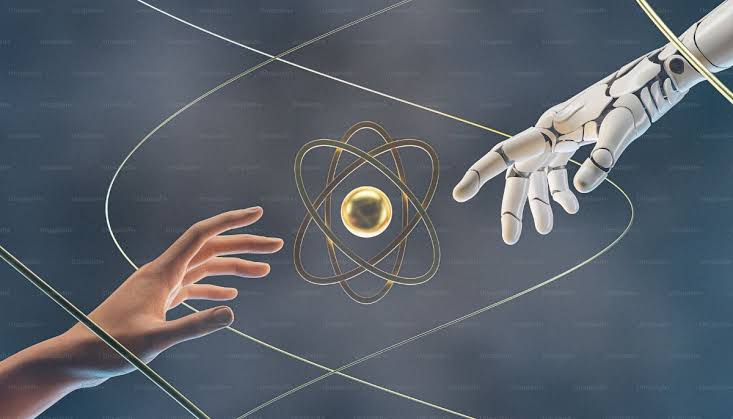
Creative software is undergoing a wonderful renaissance. Tools for graphic design, video production, music composition, and creative writing have integrated smart automation to strip away technical drudgery without sacrificing artistic vision.
- For Seasoned Professionals: AI features take over tedious tasks like rotoscoping video subjects, cleaning background wind noise from voice recordings, and generating base color palettes.
- For Curious Beginners: Complex software that once required months of technical study now offers conversational interfaces, allowing anyone to experiment with visual design or audio editing.
[ Raw Concept & Human Vision ] + [ Automated Technical Execution ] = Finished Creative Work
Yet, far from replacing artists, these tools have highlighted the irreplaceable value of human taste and emotional resonance. An application can generate thousands of visual variations in seconds, but it takes a human eye to select the one frame that evokes genuine feeling, tells a moving story, or captures a quiet truth.
Connected Communication: Preserving the Human Element
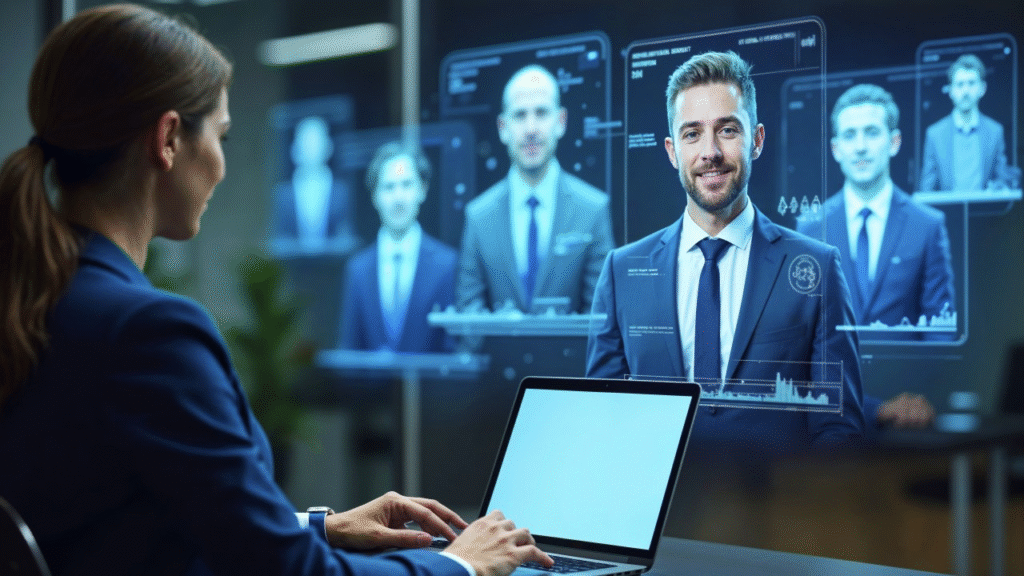
As remote and hybrid lifestyles have matured, our communication apps have evolved from simple chat boxes into rich, unified hubs. Rather than forcing you to jump across five different applications to share a document, hold a quick video call, and check a project timeline, modern communication platforms keep everything in a single, fluid workspace.
       ( Video Conference ) ─── ( Real-Time Workspace Canvas )
                                          │
                                 [ Shared Project Hub ]
                                          │
       ( Threaded Discussion ) ─── ( Smart Action Summary )
AI plays a subtle, helpful role here by summarizing missed discussion threads, auto-translating international team messages in real time, and converting rambling meeting recordings into clear bullet points.
However, tech creators in 2026 are increasingly careful to preserve human warmth. Features like informal voice notes, casual virtual coffee spaces, and rich presence indicators ensure that digital communication feels like a living conversation between real people rather than an endless stream of cold corporate memos.
Cybersecurity and Privacy: Building Digital Fortresses

With our personal lives, health records, and financial histories deeply woven into the web, digital security is no longer an afterthought—it is a fundamental necessity. Cybersecurity tools in 2026 have shifted from complex, intimidating utility programs into accessible, silent guardians.
Security Mindset: The best security system is one you never have to think about. It runs quietly in the background, protecting your personal data without interrupting your morning flow.
                     +---------------------------------+
                     |   THE PERSONAL SECURITY VAULT   |
                     +----------------+----------------+
                                      |
      +-------------------+-----------+-----------+-------------------+
      |                   |                       |                   |
[ Zero-Trust Vaults ]  [ Biometric Login ]    [ Automated Updates ]   [ Privacy Shields ]
Encrypted passwords &  Passkeys replacing     Silent patches for      Tracker blocking &
sensitive documents    vulnerable text codes   emerging vulnerabilities data minimization
Key elements of modern digital defense include:
- Passkey Integration: Moving away from easily guessed text passwords toward secure, device-bound biometric logins (fingerprint or face recognition).
- Automated Privacy Shields: Browsers and communication apps that automatically block invasive tracking scripts and mask personal email addresses.
- Encrypted Cloud Vaults: Personal data storage built on zero-trust architecture, ensuring that not even the company hosting your files can view your private photos or financial documents.
Financial and Health Apps: Grounded Personal Awareness
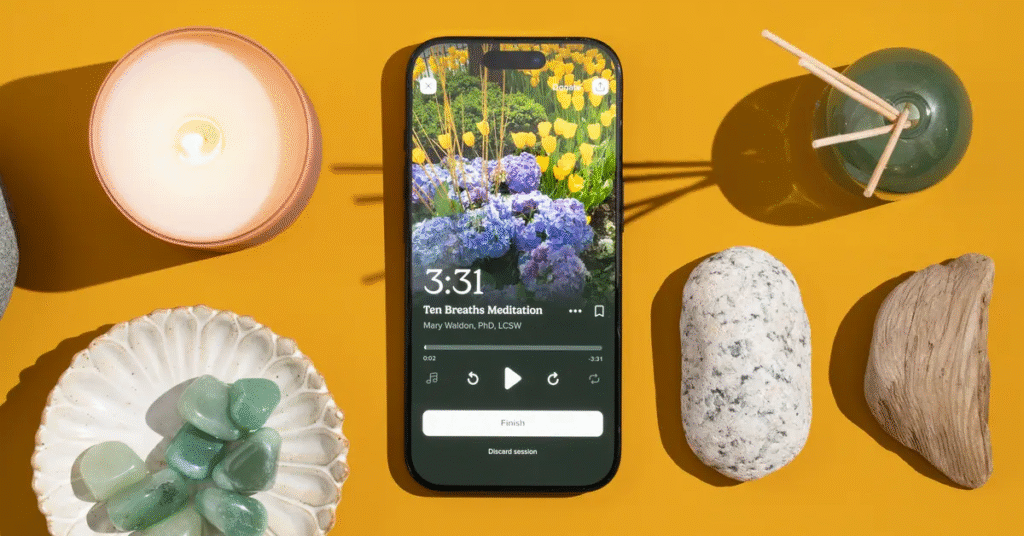
Managing money and personal wellness can often feel overwhelming. Financial and health applications in 2026 focus on providing clear, non-judgmental guidance that helps people make informed daily choices.
+-----------------------------------------------------------------------------------+
|                        PERSONAL WELLNESS & FINANCIAL APPS                         |
+----------------------+----------------------------------+-------------------------+
| Category             | Traditional Approach             | 2026 Humanized Design   |
+----------------------+----------------------------------+-------------------------+
| Financial Tracking   | Manual receipt logging & budgets | Organic spending trends |
| Health & Fitness     | Rigid calorie counting & goals   | Holistic fatigue & rest |
| Sleep Monitoring     | Basic alarm clock tracking       | Deep sleep cycle insights|
+----------------------+----------------------------------+-------------------------+
Modern health apps sync with lightweight wearables to offer a gentle, holistic view of your day. Rather than badgering you to hit arbitrary workout goals when you’re exhausted, they suggest a restorative walk or early bedtimes based on your actual heart rate variability and sleep patterns.
Similarly, financial applications highlight long-term trends rather than triggering anxiety over every cup of coffee purchased. They offer calm visual summaries of savings progress, flag recurring subscription costs you may have forgotten, and help you plan for future goals with clarity and confidence.
No-Code Tools and Web Software: Democratizing Creation
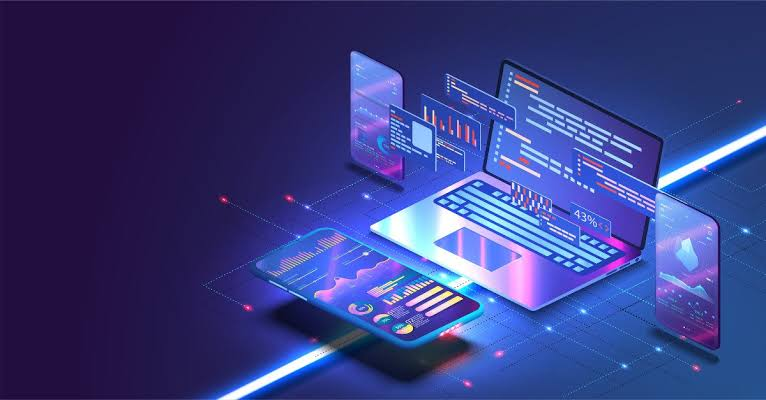
One of the most empowering movements in modern technology is the continued expansion of no-code platforms and web-based software. Building a custom database, designing an interactive website, or automating an intricate business workflow used to require hiring a team of software engineers. Today, powerful drag-and-drop tools and natural-language builders allow anyone with a good idea to build their own digital solutions.
  [ Plain-Language Request ]  --->  [ No-Code Canvas Engine ]  --->  [ Fully Working App ]
  "Build a book-club tracker"       Organizes fields & layout        Ready to share with friends
At the same time, browser-based applications have become so fast and capable that the line between heavy desktop software and a simple web tab has virtually vanished. You can edit high-resolution video, design 3D models, or collaborate on complex code directly inside a browser window from a modest laptop, freeing users from expensive hardware requirements.
Choosing Software That Serves Your Life
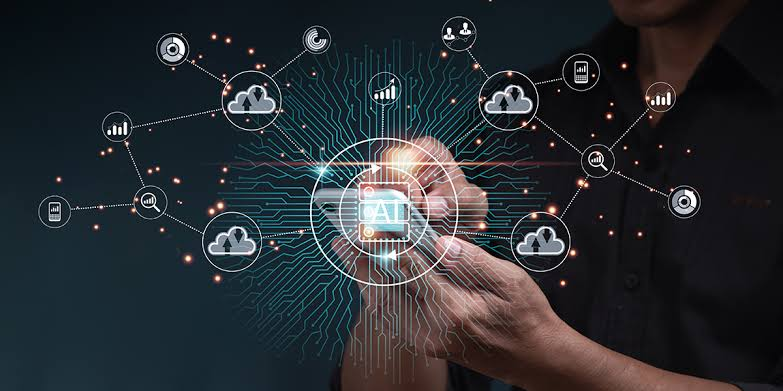
With millions of applications competing for our attention, the real challenge in 2026 isn’t finding software—it’s choosing the right tools that bring genuine harmony to our routines.
                    [ App Selection Checklist ]
  [ ] Does this app solve a real, recurring problem in my life?
  [ ] Is the privacy policy transparent about how my data is used?
  [ ] Does it respect my time, or does it thrive on constant alerts?
  [ ] Does it work smoothly across all the devices I use daily?
Before downloading a new app or signing up for a monthly subscription, pause and consider its place in your digital environment. Does it simplify a frustrating task? Does it protect your quiet hours? Does it bring a sense of order to your day?
The goal of modern technology is not to keep us glued to our screens for as many hours as possible. It is to build a supportive digital canopy—an ecosystem of smart, secure, and intuitive tools that quietly handle our administrative burdens, leaving us free to step out into the real world and live our lives fully.
FAQS
What are the biggest technology app trends in 2026?
Artificial intelligence, automation, cloud software, cybersecurity, personalized applications, smart home integration, creative AI tools, and cross-platform experiences are among the biggest technology trends in 2026.
What types of apps are becoming more popular in 2026?
AI assistants, productivity tools, creative applications, cybersecurity software, collaboration platforms, educational apps, health and fitness tools, and smart home applications are becoming increasingly popular.
Are AI apps worth using in 2026?
AI apps can be useful for writing, research, productivity, creativity, organization, and automation, but important information should always be reviewed for accuracy.
What is the most important software trend in 2026?
The integration of artificial intelligence into everyday software is one of the most important technology trends of 2026.
Are productivity apps becoming smarter?
Yes, productivity applications are increasingly using AI to summarize information, organize tasks, manage notes, automate workflows, and assist with everyday work.